AI Demand Pushes Circuit Board Lead Times Toward 30 Months
AI server boards are squeezing PC makers, with some PCB orders reportedly taking up to 30 months and HP and Dell struggling to secure 2027 supply.
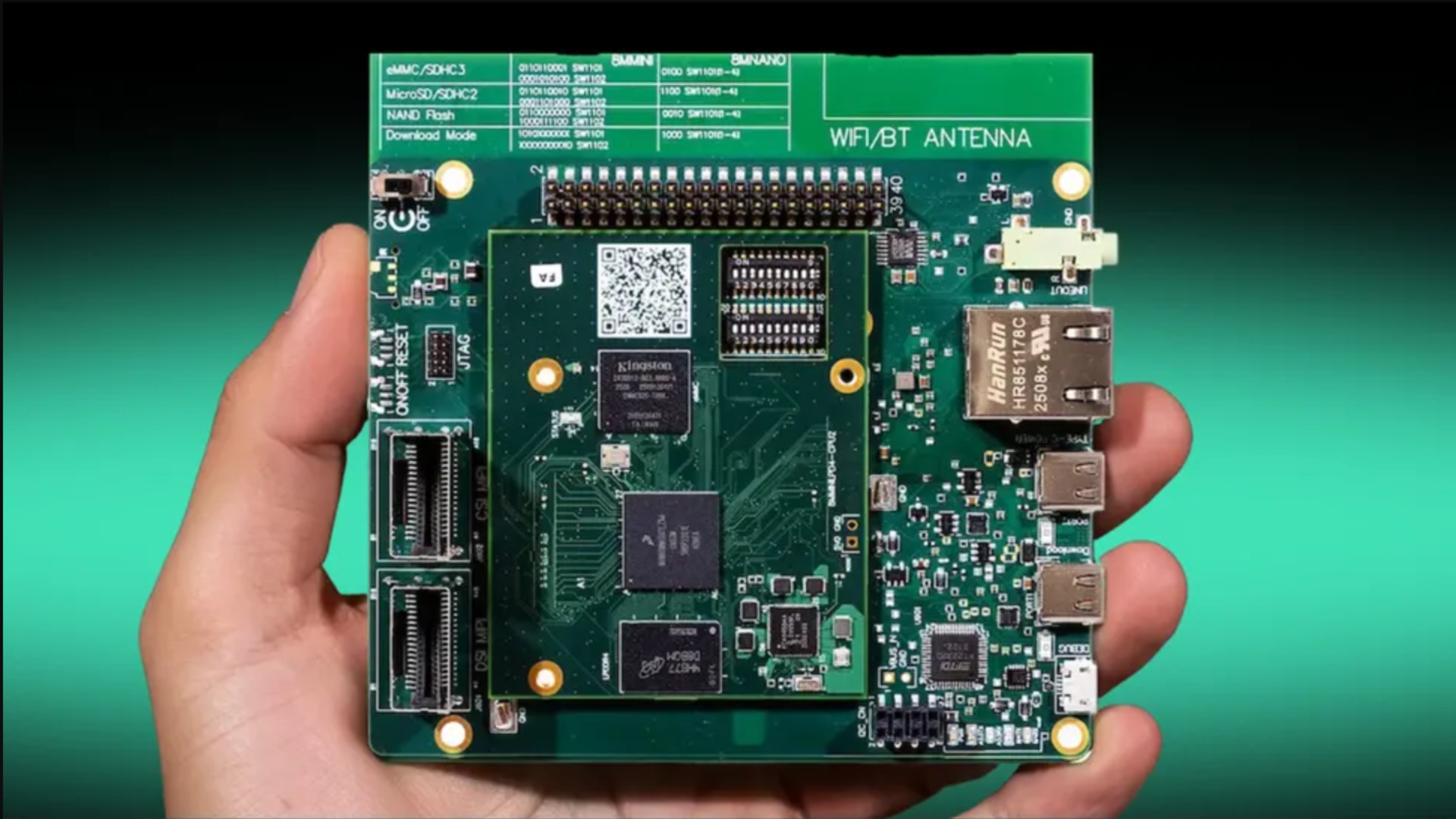
The AI build-out has already consumed much of the world's high-end memory. Now it's reaching the layer underneath everything else: the printed circuit board. Nikkei Asia reports that HP, Dell and other PC makers are finding it hard to lock in enough PCBs for their 2027 lineups, and the cause is less about total demand than about where board capacity is going.
Canon offers a sense of the knock-on effect. The company says AI-driven PCB shortages have roughly doubled its expected hit to medical sales, now about ¥90 billion.
Why AI boards eat more capacity
An AI server board isn't a scaled-up laptop motherboard. Würth Elektronik estimates that boards for AI servers carry three to five times as many layers as conventional designs, built on low-loss laminates and specialty glass fabrics. Each board consumes more raw material and more factory time, so a line that once turned out large volumes of ordinary boards now produces far fewer premium ones.
Board makers are responding the way you'd expect. Market researcher in4ma reported in July that some manufacturers told existing customers they would stop producing standard boards in favor of higher-margin AI server work. Hyperscalers are also moving closer to the supply itself. Amazon bought a stake of roughly NT$1.59 billion (about $48.2 million) in Taiwan's Gold Circuit Electronics in September, according to TechSpot.
PC makers caught in the middle
PC makers face an odd squeeze: they're getting pinched on boards even as they ship fewer machines. IDC says global PC shipments fell 20.1% year on year in the third quarter to 62.7 million units, with HP down 30.9% and Dell down 25%. IDC attributes part of that drop to distributors working through stock bought early in the year, ahead of price increases, so not all of it reflects weak end demand.
Still, an unnamed executive at an American PC maker told Nikkei that even with shipments set to fall again next year, "we are still struggling to secure enough PCB supplies to meet our needs." That points to an allocation problem rather than a shortage of buyers. It's the same dynamic that has data centers on course to take 70% of high-end memory chips this year.
What the 30-month number actually measures
The 30-month figure needs careful reading. It comes from one unnamed board supplier describing some of its orders, not from an industry average. Another maker told Nikkei that lead times on a significant share of its products have doubled, and a third said an order placed today wouldn't be filled until late 2028. Those claims describe different points in the range. An order placed in late October that lands in late 2028 implies a wait of roughly two years. A 30-month wait starting in late October would run to around April 2029.
The trend has been building for months. In March, German board maker ILFA said lead times for standard FR-4 laminate had gone from a few days to around four weeks. By April, a Broadcom director was telling Nikkei that PCB lead times had moved from six weeks to six months. A jump from weeks to months changes the planning math for product teams far more than a single headline number does.
Upstream bottlenecks
Unimicron chairman S.C. Chien put numbers on the equipment side at the TPCA Show in Taipei. Lead times for some key production equipment have reached 30 months, more than 80% of equipment is seeing longer waits, and over a fifth is waiting more than double its usual length. Chien also warned that low-CTE glass cloth, copper-clad laminate and ABF could fall about 20% short of demand in 2027. Note that his 30-month figure refers to equipment, not finished boards, a distinction that often gets lost when the number circulates.
Nikkei also reports that one leading laminate supplier has orders filling through 2030, even with plans to triple capacity by 2028. Order books aren't delivery schedules, though, and suppliers have reasons to talk up scarcity. Acer's Jason Chen has already accused memory makers of hyping 2030 shortage talk to protect their margins. The raw-material constraint is real, though. Nittobo reportedly controls roughly 90% of the T-glass used in advanced substrates, and its capacity expansion will take years to reach the market.
How much it matters for buyers
There's a sensible case against panic. A board is a small slice of a laptop's bill of materials, no PC maker has put a number on the retail impact, and memory remains the bigger cost driver. But the PCB squeeze lands on top of existing pressure. Major vendors had warned of 15-20% price rises starting in the second half of 2026. Large OEMs with long-term contracts and negotiated supply commitments should absorb this best.
Smaller motherboard and graphics card brands, buying without that bargaining power, are where a doubled lead time or a steeper laminate bill is most likely to show up in 2027. It could appear as a higher sticker price, a thinner spec sheet, or both. Whether the squeeze eases will depend on whether the announced laminate and substrate expansions arrive on schedule, and that's the timeline to watch.