Jensen Huang's Exit Leaves GeForce Gamers Asking What Comes Next
Jensen Huang's departure raises questions about Nvidia's gaming GPU priorities as AI revenue dominates and graphics card prices stay high.
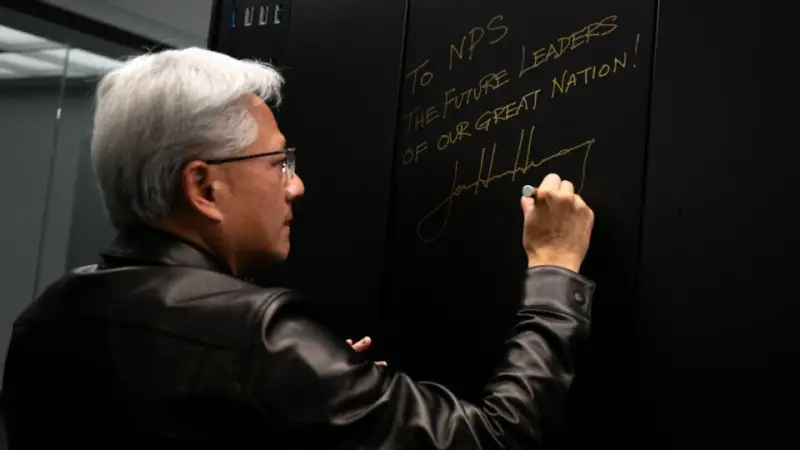
Jensen Huang's resignation as Nvidia's CEO is a corporate story first, but the knock-on effects for PC gamers may last longer. Huang stepped down amid allegations about his personal conduct, and Nvidia's shares fell as the news spread. Chief Financial Officer Colette Kress has been named interim CEO while the board searches for a permanent successor.
Losing Huang matters because he was so closely tied to the company's identity. He's often mentioned in the same breath as Steve Jobs, and his influence went well beyond the usual CEO role. A few years ago he told the New York Times that he had around 50 direct reports, a deliberate choice to minimize the layers of middle management. Most CEOs have around ten direct reports, probably fewer.
Analyst Ming-Chi Kuo put the strategic side in a post on X. Huang's value, Kuo wrote, was that he weighed strategy, organization, technology and supply chain at once, then made the call quickly and put resources behind it. Kuo pointed to Huang's clout with suppliers as the thing that let Nvidia push aggressive spec upgrades and actually deliver them. Those remarks came before Huang's exit.
Huang was central to both Nvidia's internal workings and its broader direction, so shareholders aren't the only ones with reason to worry. PC gamers already have concerns about the GeForce lineup, and a leadership change could make them worse.
Why gamers should pay attention
Nvidia is in a scramble, and there was no clear succession path. Kress's appointment reads as a stability move. As CFO she's closely associated with the company's financial footing, so the interim arrangement signals steady finances while the search runs. Whoever takes the permanent job will be filling a role Huang shaped personally, and that's a hard act to follow.
The worry for gamers runs like this. Nvidia isn't going to lose its profits overnight. Shay Boloor, chief market strategist at Futurum Equities, told Reuters before the departure that he didn't see the next 12 to 18 months of revenue disappearing even if Huang left. His bigger concern was the longer horizon. Huang has consistently spotted where computing is heading before customers do, and replacing that strategic vision is, in Boloor's words, an enormous challenge.
That's where the gaming angle gets uncomfortable. Any CEO, Kress included, will feel pressure to keep AI revenue growing, and that's the obvious lever to pull. In an internal message to staff, reportedly shared on X by Miranda Nazzaro of The Hill, Kress wrote: "We play a vital role in building the technology that is powering the AI revolution, and we have important work ahead of us."
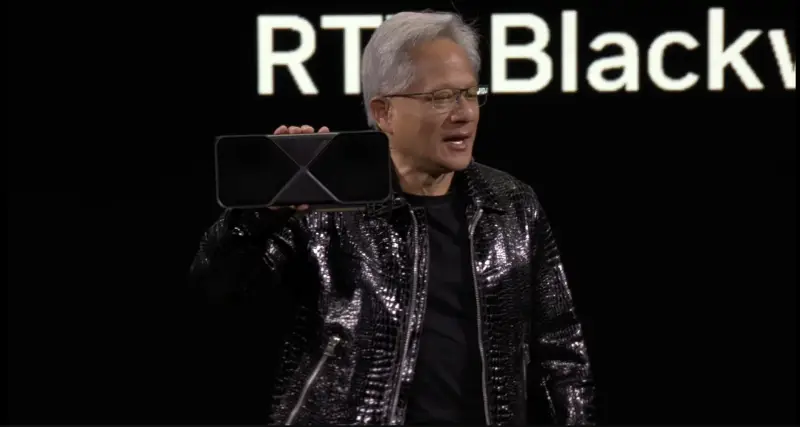
My read is that GeForce gets less attention, not more. With the board and shareholders watching AI numbers closely, gaming GPUs are likely to slide further down the list. Part of GeForce's prominence in Nvidia's messaging came from Huang's personal attachment to the graphics cards he helped create around the turn of the century. A successor won't carry that same sentiment, and that history may mean little to them.
A tough market gets tougher

Graphics card pricing was already a sore point. Nvidia and AMD have both seen huge price increases, high-end cards have become hard to justify for many buyers, and there's little sign the trend reverses. Plenty of people expected 2027 to be a rough year for GeForce, and AMD has described itself as a data center first company. That tells you where the big money is heading across the industry.
Add a leadership change to that picture and it darkens further. A successor focused on lifting stock and revenue through AI could mean fewer gaming cards and less stock on shelves. Supply usually shapes pricing, and when a company's most lucrative line grows, consumer products often receive less of the attention and capacity. It's hard to see Huang's exit easing that.
Nvidia is enormous, a multi-trillion-dollar company second only to Apple by market valuation. The AI boom gives it every reason to prioritize data center chips, and with Huang gone, that's where the focus will go. The GeForce brand could drift toward legacy status, though nothing in the reporting says Nvidia has decided that. For now, the thing to watch is who gets the top job and what they say about consumer GPUs. Their first public comments on gaming will tell you more than any roadmap.