SpaceX Plans $24 Billion Gas-Fired AI Compute Site in Starbase, Texas
SpaceX's proposed $24 billion gas-fired compute campus in Starbase, Texas, could test how much local control a company town really offers.
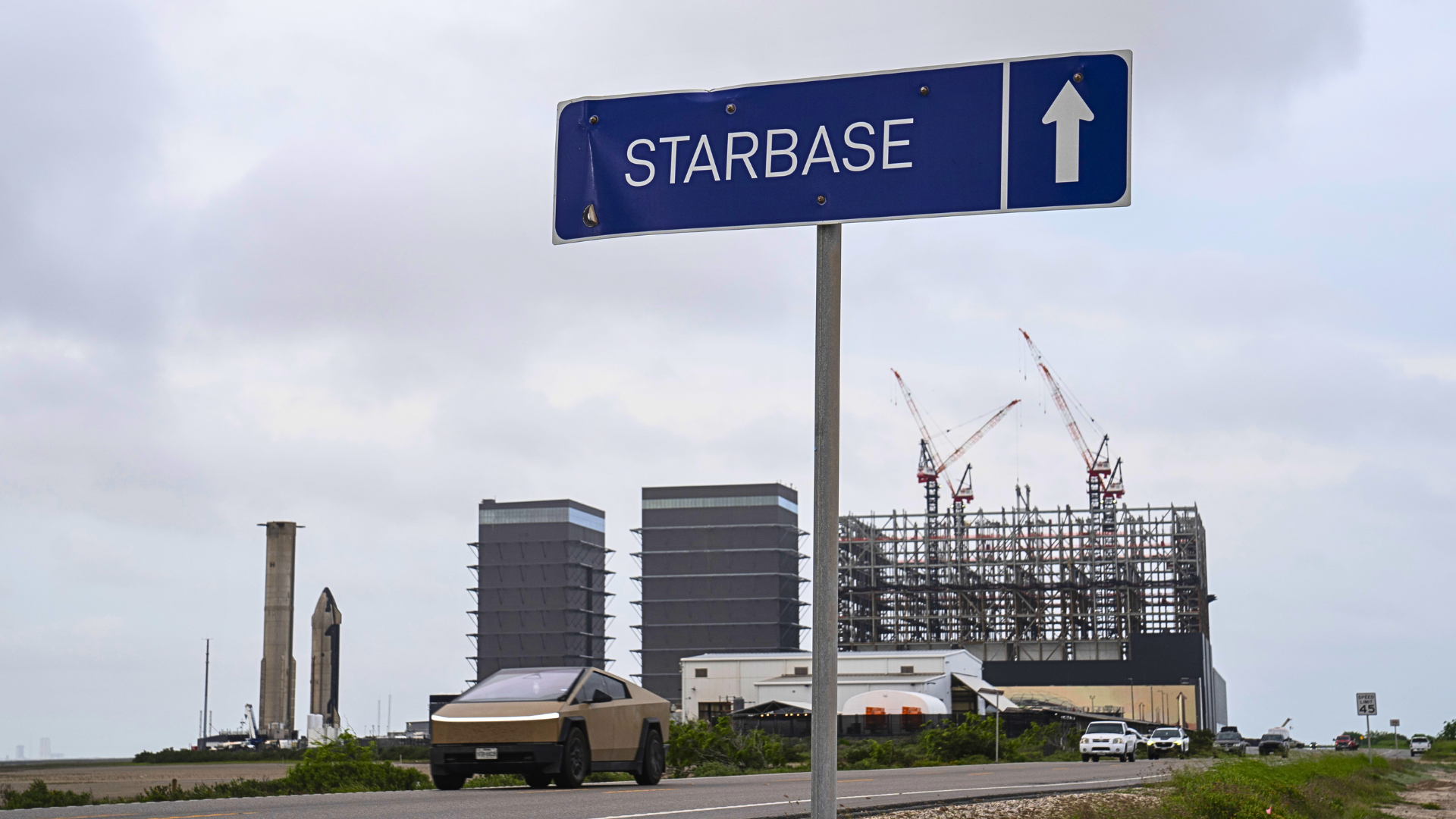
SpaceX has posted notice of a public hearing on a gas-fired power plant and supercomputing facility inside the city limits of Starbase, Texas. The site already hosts the company's Starship rocket program, and the initial cost of the project is $24 billion. The facility would apparently be owned by SpaceX. That's a large bet on a town that, for practical purposes, runs on the company's own land and payroll, and it may be the most consequential data center decision SpaceX has made so far.
What's actually proposed
The plan pairs on-site gas generation with a large compute facility, so the power supply and the servers are designed together rather than bolted onto an existing grid connection. That's a common approach when a campus needs more electricity than the local utility can deliver quickly. Gas turbines can be installed faster than new transmission lines, but they bring emissions permits, air-quality monitoring and neighbor complaints with them.
The company's announcement describes the $24 billion as covering only the "initial phases of the projects" and says the build could "include future expansions." If that language holds, the number is a floor rather than a ceiling. Teams planning campuses this size typically budget the first phase against a known power envelope and then add capacity in blocks as chips, cooling and interconnect become available. Starbase could follow that pattern, which would make the $24 billion more of an opening move than a final figure.
The Texas political question
Bloomberg reports that the project could run into resistance from incoming Texas governor Gina Hinojosa. She ran on a platform of holding off on approving new data centers until the state legislature passes stronger protections against the harms those facilities can cause. Here's the thing: a company town gives SpaceX unusual leverage at the city level, since most of the population works for the company and much of the land belongs to it. Local opposition, which has been the main obstacle at other SpaceX sites, is likely to be thinner in Starbase.
That said, the city's permitting and zoning are only part of the picture. State-level policy can override a permissive local climate, and a governor who has made data center limits a campaign theme has a lot of room to shape how the state handles grid access, water and air permits. The practical question for SpaceX is whether the project can clear its state-level approvals before any new rules arrive. Timing is the variable to watch.
The pattern from Memphis
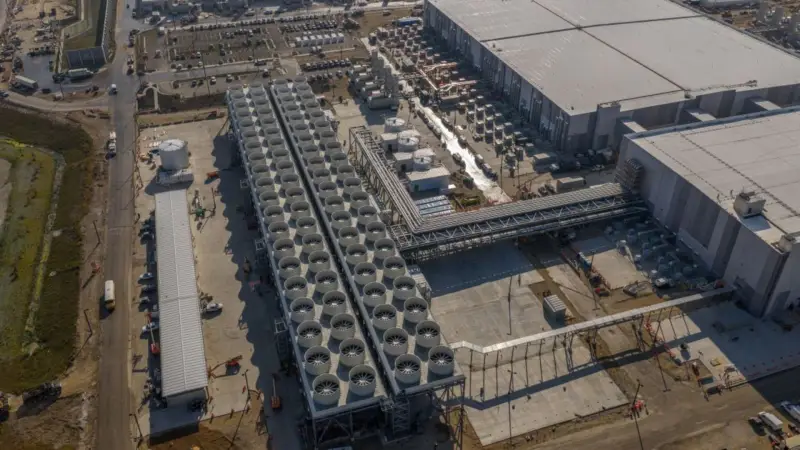
SpaceXSI has been building out its Colossus I and Colossus II data centers near the Mississippi-Tennessee border, and those projects have drawn sharp backlash. Area residents have filed a lawsuit that aims to curb the pollutants produced by the large number of gas turbines needed to run those facilities. The core issue is the turbines themselves. Running many units at once produces nitrogen oxides and other emissions, and the lawsuit pushes on whether those units should be treated as exempt from the Clean Air Act.
Starbase would face the same physics. A gas-fired plant of comparable scale produces comparable emissions regardless of how friendly the surrounding town is. What changes is who gets to push back and through which channels. The Memphis fight shows that the legal exposure sits with the power plant, not just the servers, and that's the part of the Starbase plan most likely to attract scrutiny.
Where it fits in the compute plan
The Starbase project is part of a broader push to build 10 gigawatts of compute in 2027 alone. At that scale, a single $24 billion site would rank among the largest and most expensive data center projects concentrated in one location. The number is less important than the operating model it implies: a company that controls the land, the workforce and the power plant can move faster than one that depends on outside developers and utilities.
Space is the other half of the strategy. Musk has laid out a first-generation AI1 compute satellite with a 150kW peak compute payload. SpaceX has also proposed a 1-million-satellite Orbital Data Center System to the FCC. Orbital compute avoids local land-use fights and grid interconnects, but it carries its own hard constraints: launch cost, thermal management in vacuum, radiation tolerance and the crowding of usable orbits. The FCC proposal sketches the ambition, but the orbital crowding question suggests the constraints may be the real limit.
Musk's timing is notable. Measures that would have restricted data centers lost decisively in the recent U.S. midterm cycle, and in a post on X after the results, Musk wrote that "data centers in space looking pretty appealing right now." That's a signal of where the company's attention is heading, but it doesn't change the near-term engineering. Ground-based capacity like Starbase still has to be powered, cooled and permitted before any orbital system matters at scale.
What to watch next
Three things will determine whether the Starbase plan moves from notice to construction. The first is the public hearing and what local residents, employees and regional groups say about it. The second is how the incoming Hinojosa administration approaches data center rules, and whether it targets gas-fired generation specifically. The third is whether SpaceX publishes emissions and water-use details for the plant, which would show how it plans to handle the turbine question that tripped up the Memphis projects.
My read is that the company town structure buys SpaceX speed, not immunity. The $24 billion figure, the expansion language and the 10-gigawatt target all point to a site designed to grow. Whether it does will depend less on Starbase's friendly zoning than on how the power plant clears air rules and state scrutiny.