Fiber Optic Shortage Squeezes Ukrainian Drone Output as AI Data Centers Absorb Supply
AI data center demand has pushed fiber optic cable prices up six to 10 times, and Ukraine's drone makers are feeling it first.
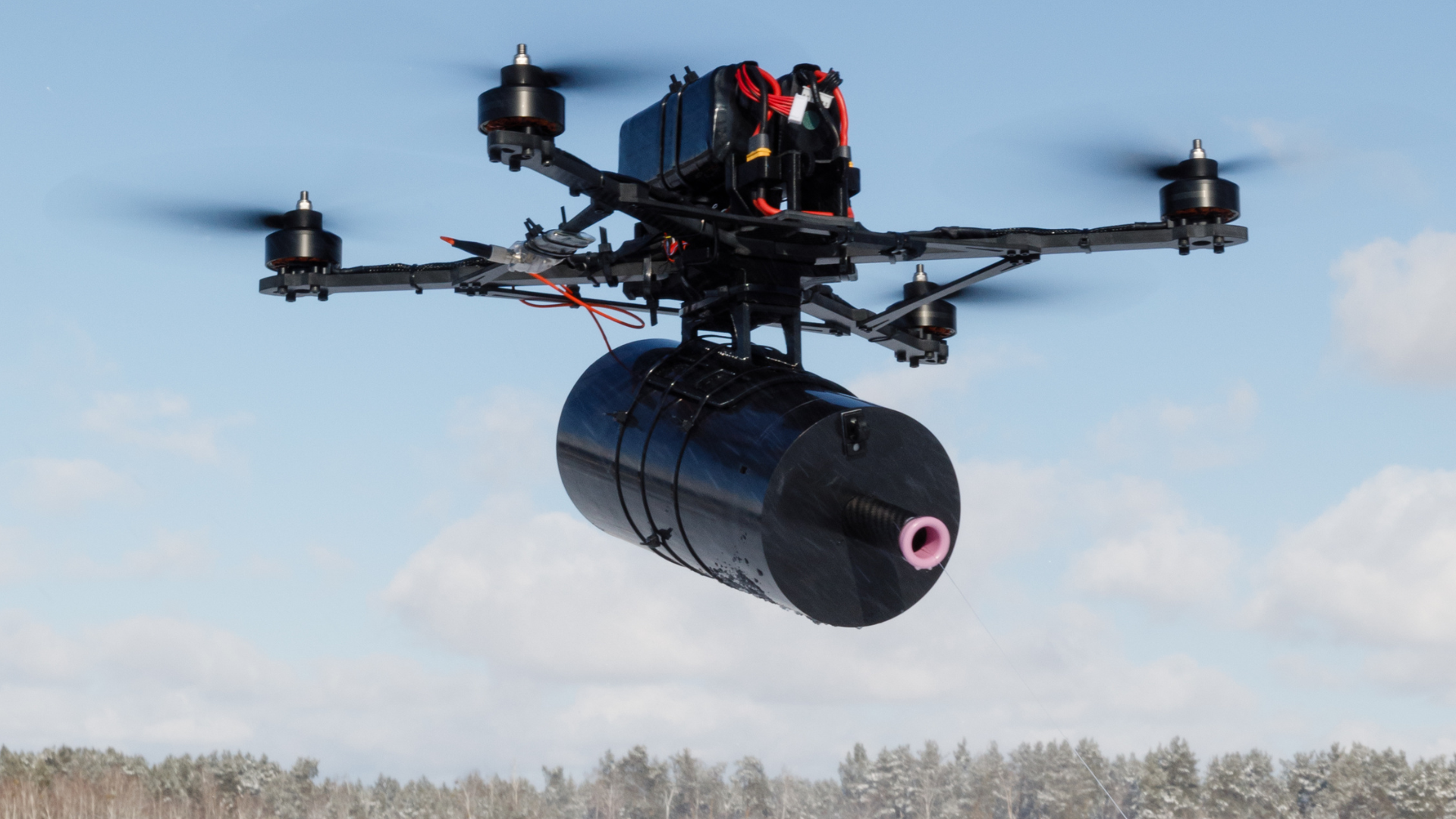
Fiber-optic drones were supposed to be the answer to electronic jamming. Their spools of cable keep a control link alive even when radio signals are blocked, and that made them hard to counter on the front lines in Ukraine. Both sides now rely on them. The new problem isn't the jammers. It's the spool itself, and the AI data center boom is competing for the same material.
A research and development representative at BlueBird Tech, a Ukrainian defense firm that builds drones, described the squeeze in an interview. Prices for fiber optic cable have risen roughly six to 10 times over the past couple of years. Data center operators need enormous quantities of fiber to link servers, and they're buying it faster than the market can expand.
The numbers behind the gap
The scale of the mismatch is what stands out. Ukraine and Russia are estimated to be producing around 50,000 fiber-optic drones a month, and each one can fly out to ranges of up to 62 miles. Every one of those drones needs cable, so the spool supply is effectively a production ceiling.
Ukraine's imports look small by comparison. In August 2025, the BlueBird representative said, Ukraine acquired about 72 miles of fiber optic cable from Chinese suppliers. Russia brought in roughly 328,000 miles during that same month. Across all of 2025, Russia is estimated to have acquired about 37 million miles of fiber, which works out to more than 10 percent of global production.
Those figures point to a supply problem that's bigger than any one buyer. The same interview put the estimated global shortfall in fiber optic cable at about 111 million miles. That deficit sits on top of the shortages the data center industry has already been dealing with, and it means there's no obvious pool of spare cable waiting for drone makers to pick up.
Access matters as much as volume
Here's the thing: price and volume aren't the whole story. The BlueBird representative said some Chinese companies have flatly refused to sell fiber optic cable to Ukraine. China is the main producer of this material, and Russia's long land border with the country gives it a logistics advantage that Ukraine doesn't have.
Buying from elsewhere isn't a clean workaround. Intermediaries in other countries can supply fiber, but prices vary by country and by purchasing route, and the representative's bottom line was blunt: China remains the main source. For a manufacturer planning production months ahead, a supply chain that depends on a few routes and a few sellers is fragile, even when the cable exists on paper.
Domestic production isn't a quick fix
Making fiber optic cable inside Ukraine has come up as an option, but it's harder than it sounds. Fiber manufacturing requires specially trained personnel, and training them means practicing on the same limited cable supply that drone makers are already short on. Automating the production line would reduce the labor burden, but automated lines still need experienced staff to oversee them and check the quality of the finished product. That's a slow path. Building skills, equipment and qualified crews takes time, and the drone side can't pause while it waits. This kind of bottleneck tends to reward whoever can secure material early and punish anyone relying on future capacity.
Where the shortage spreads next
The fiber story fits a broader pattern. The AI buildout has already strained GPUs, memory chips, printed circuit boards, power infrastructure, optical transceivers and skilled trades such as electricians. It's now reaching industries that have nothing to do with computing. Car makers have warned about rising memory costs, and home construction timelines in parts of Texas have stretched as electrician shortages drive up contractor prices. Fiber-optic drones are the latest example of a component that AI infrastructure needs in bulk and that other sectors can't easily replace. What to watch next is whether cable production expands fast enough to ease the 111-million-mile gap, or whether data center demand keeps prices high long enough to reshape which drone designs get built. My read is that the second scenario is more likely in the near term. Anyone who builds hardware that depends on commodity fiber, from drones to industrial sensors, should treat cable supply as a planning constraint rather than an assumed input.