Amazon's Bee Adds Two AI Wearables, Starting at $74.99
Amazon's Bee unveils the Frontier wearable at $74.99 and the Eclipse phone card at $99.99, both built to turn conversations into notes and to-dos.
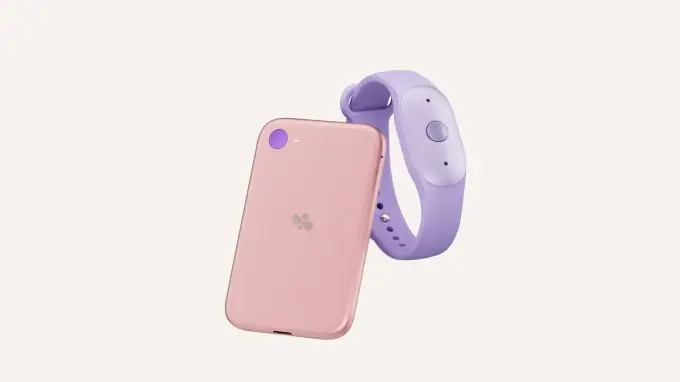
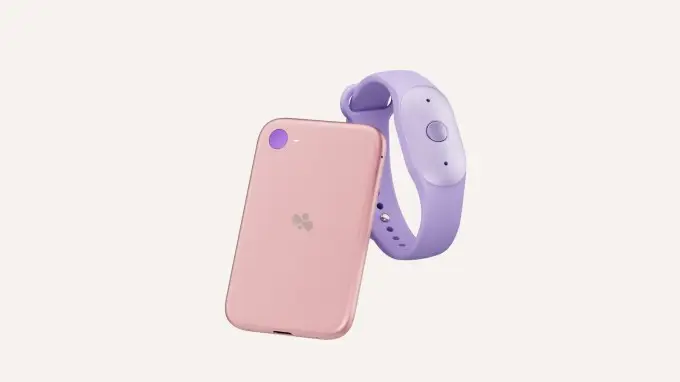
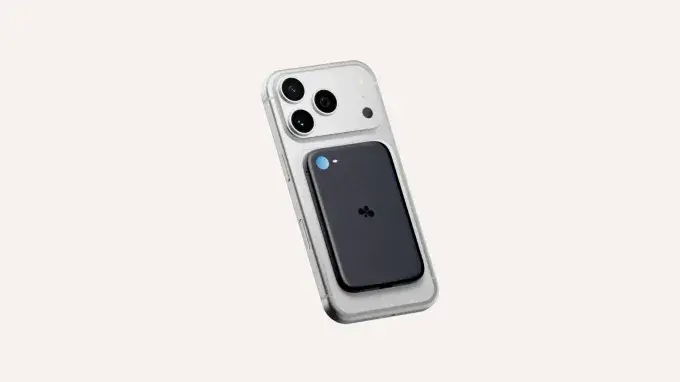
Amazon's first Bee hardware since buying the company last year is more interesting for its pricing than its feature list. The Bee Frontier, a wearable that clips to your clothes or sits on your wrist, costs $74.99. The Bee Eclipse, a credit-card-sized unit that snaps magnetically onto the back of a smartphone, costs $99.99. Both undercut the dedicated AI recorders that have been setting the price floor in this niche.
Where the pricing lands
The comparison set is worth spelling out. The Plaud Note sells for $159, the Note Pro for $189, and the Pocket AI device for $129. Bee's Frontier comes in about $54 below the cheapest of those, and the Eclipse is still $30 under the Pocket. That gap matters because these devices are mostly a bet on a recurring habit: people have to keep the thing running, trust it in meetings and carry it every day. Lower entry prices make that bet easier to place, especially for students or anyone who wants to try the category before committing.
Color options are the other visible difference. The Frontier comes in Onyx, Lavender and Sage. The Eclipse comes in Silver, Midnight, Honey and Blush. Those are aesthetic choices, but they signal that Bee is aiming at people who would wear a device, not just tolerate one in a bag.
What the software actually does
The core idea carries over from the original Bee. The device listens to everyday conversations, pulls out what matters and turns it into something you can act on. Amazon's example is simple: if you agree on a time with friends, Bee records the date and creates a calendar invite. The same logic applies to lecture notes or a care plan a doctor walks you through.
The useful question is how much of that workflow survives contact with real conversations. Speech with overlapping voices, background noise and half-finished plans is where summarization tools usually stumble. Amazon says the Frontier's dual microphones use advanced noise filtering, but nothing in the announcement shows accuracy figures for multi-speaker or noisy settings, so that's a claim to test rather than trust.
Free tier versus Pro
Every Bee device generates conversation summaries and recaps for free, with 14 days of memory. The paid tier, Bee Pro at $11.99 per month, unlocks unlimited summaries, suggested to-dos, daily memories, a personal chat assistant and conversation templates. Pro also adds integrations with Amazon.com, Alexa+ and third-party apps.
At $11.99 a month, the subscription will likely cost more over a year than the hardware discount saves. That's the number to model before choosing a device. The 14-day memory window on the free tier is also a practical limit: if your use case depends on searching back through months of conversations, you'll be on Pro or you'll be disappointed.
The privacy design
Bee's privacy pitch is the most technically specific part of the announcement. According to Amazon, the devices use a private computing security architecture that doesn't store raw audio. Audio is processed in real time and then deleted. Transcripts are encrypted with keys the device generates and controls, and Amazon says no one else, including its own employees, can open those files unless the user shares them deliberately.
Those are strong claims, and they're the right ones to ask about. A few things to watch: how the key management works if you lose a device, what data leaves the device for processing, and whether the "deleted in real time" claim holds up to independent scrutiny. Recording conversations also raises consent questions for the people being recorded, a problem that exists regardless of who builds the hardware and that the announcement doesn't address in detail.
Voice ID is opt-in. If you connect Bee to an Echo, the Echo can use its voice identification to recognize when you're speaking and record your conversations for Bee's insights. Amazon notes that transcripts and summaries can be deleted at any time.
Amazon's ecosystem play
The deeper strategy shows up in the integrations. Bee can now make purchases from Amazon.com or answer Alexa questions about your insights, summaries and to-dos, all hands-free. On the productivity side, it connects with Gmail, Google Calendar and Microsoft Outlook to draft emails, set up meetings and surface action items. Users can also upload photos or connect Apple's HealthKit to add wellness context to their insights.
That's where Bee differs from standalone recorders. Its value depends less on the box in your pocket and more on how many of your existing tools it can reach. Amazon's advantage is the size of its Alexa and shopping footprint. The open question is whether people want a notes device tied that closely to a retailer's assistant, and whether the integrations feel helpful rather than intrusive in daily use.
Hardware details and availability
Both devices have a single button that powers them on and off, plus an indicator light that shows when a conversation is being summarized. The Frontier adds IP67 water resistance, up to seven days of battery life, USB-C charging and the dual microphones. Each Bee device ships with a redesigned companion mobile app and a new desktop app.
The Frontier is available now on Amazon. The Eclipse will follow soon after. Amazon hasn't published battery life or water resistance specs for the Eclipse in this announcement, so buyers who care about those figures should wait for them.
My read: Bee is making a clear bet on price and ecosystem reach rather than on being the most capable recorder. The next useful test is independent measurement of transcription accuracy in messy real-world audio, and a look at how the privacy architecture performs under scrutiny. If those hold up, the $74.99 entry point could pull a lot of people into the category who wouldn't have paid $159 to find out whether they'd use it.